The Bon Voyant Journal · Destinations & Discoveries · From Our Travels
Amsterdam: A City Best Explored Slowly
Grand hotels, timeless art, unforgettable canals, and the simple pleasure of discovering a city at your own pace.
 ← Back to The Bon Voyant Journal
Grand hotels, timeless art, unforgettable canals, and the simple pleasure of discovering a city at your own pace.
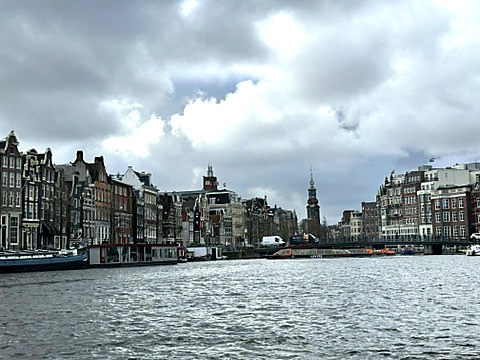
There are cities that impress you immediately, and then there are cities that gradually reveal themselves, one beautiful street, historic building, and unexpected discovery at a time. Amsterdam manages to do both.
With its graceful canals, centuries-old architecture, world-renowned museums, and wonderfully accessible public transportation, Amsterdam offers an experience that feels simultaneously sophisticated and welcoming. It is a city where history and contemporary life exist comfortably alongside one another, and where some of the most memorable moments happen between the attractions you've planned to visit.
My own visit began with a Delta flight into Amsterdam, followed by a chauffeured transfer to the magnificent Amstel Hotel. I had selected the hotel for its beautiful waterfront location, but what awaited me was even more impressive.
There is something special about arriving at a hotel that immediately makes you feel you've chosen somewhere extraordinary.
The Amstel is one of those places.
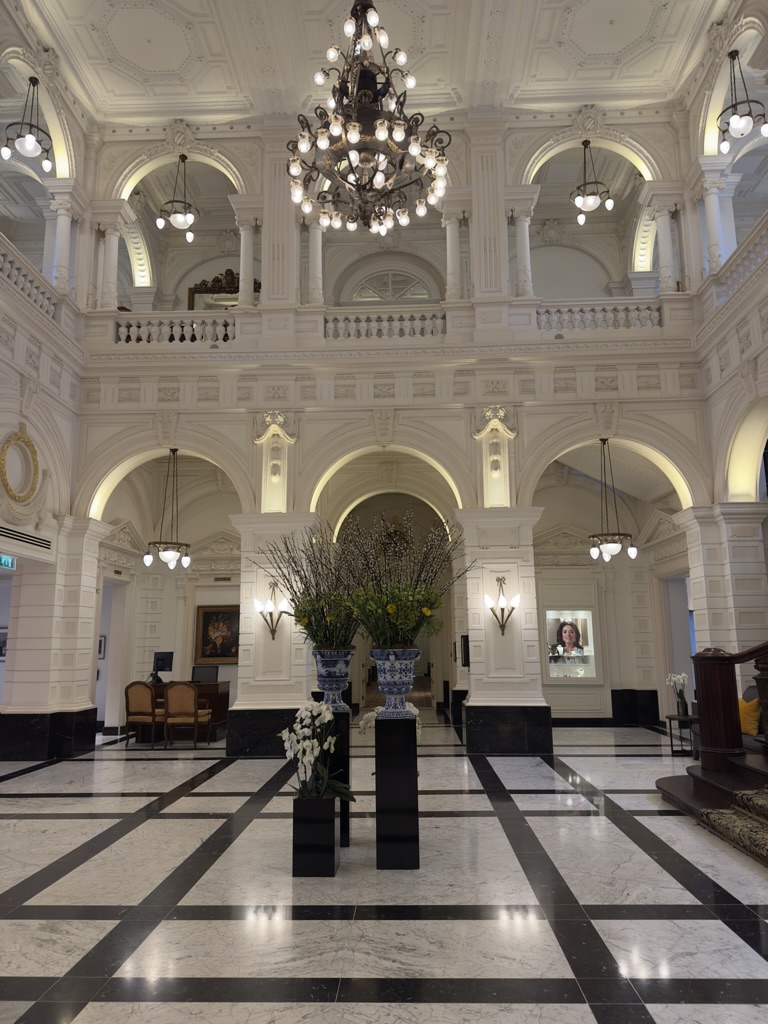
Its magnificent interiors, soaring ceilings, ornate architectural details, and beautiful chandeliers reflect a timeless European elegance. From the moment I entered, the hotel felt less like an ordinary accommodation and more like a destination in itself.
The grand lobby was particularly memorable. The graceful arches, marble flooring, and elaborate lighting created an atmosphere that was both luxurious and welcoming.
For me, choosing a hotel has never been simply about finding somewhere to sleep. Location, atmosphere, service, and the overall experience matter. A thoughtfully chosen property can become one of the most memorable parts of a journey.
The Amstel certainly accomplished that.
And with Amsterdam waiting just beyond its doors, it provided a wonderful beginning to my exploration of the city.
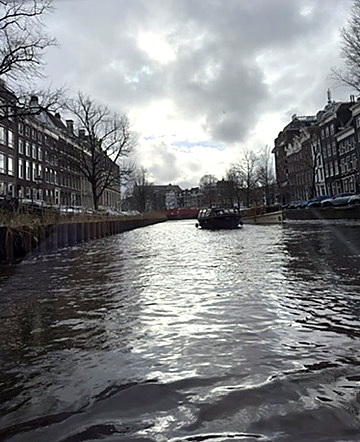
Amsterdam's canals are among its most recognizable features, and seeing the city from the water offers an entirely different perspective.
During my visit, I took a canal cruise, an experience I would recommend to anyone visiting for the first time.
From the boat, the city's architecture becomes the centerpiece of the journey. Historic canal houses line the waterways, bridges connect neighborhoods, and church towers rise above the surrounding buildings.
Even under overcast skies, Amsterdam has a distinctive beauty. The muted light, reflections on the water, and historic buildings create an atmosphere that feels almost cinematic.
One of the pleasures of a canal cruise is that it allows you to appreciate the city without worrying about directions, transportation, or what attraction comes next.
You simply sit back, enjoy the scenery, and watch Amsterdam unfold around you.
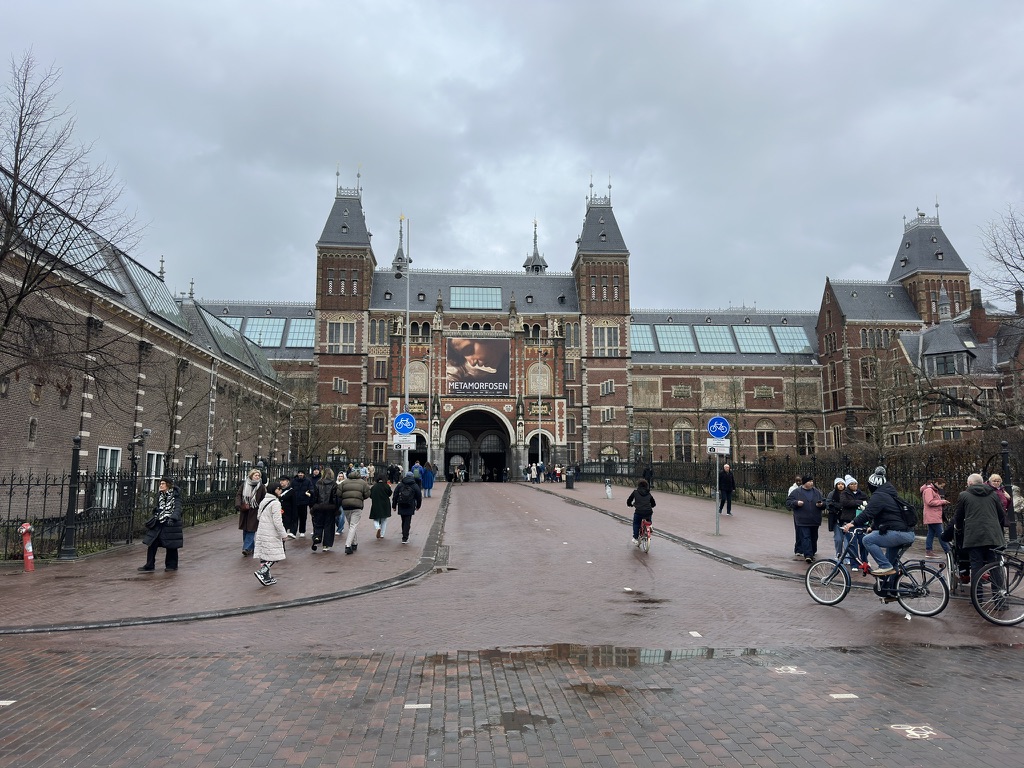
Amsterdam is home to some of Europe's most celebrated cultural institutions, and two of the highlights of my visit were the Rijksmuseum and the Van Gogh Museum.
The Rijksmuseum is impressive before you even step inside. Its grand architecture is a reminder of the Netherlands' rich artistic and cultural history.
Inside, the collections offer an extraordinary journey through Dutch art and heritage. Beyond the paintings and exhibits, I found the building itself fascinating.
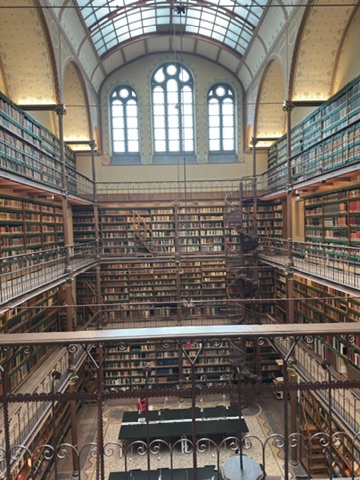
One particularly beautiful space is the Cuypers Library, with its towering bookshelves, historic detailing, and remarkable architecture. It is the kind of room that makes you stop and simply take in your surroundings.
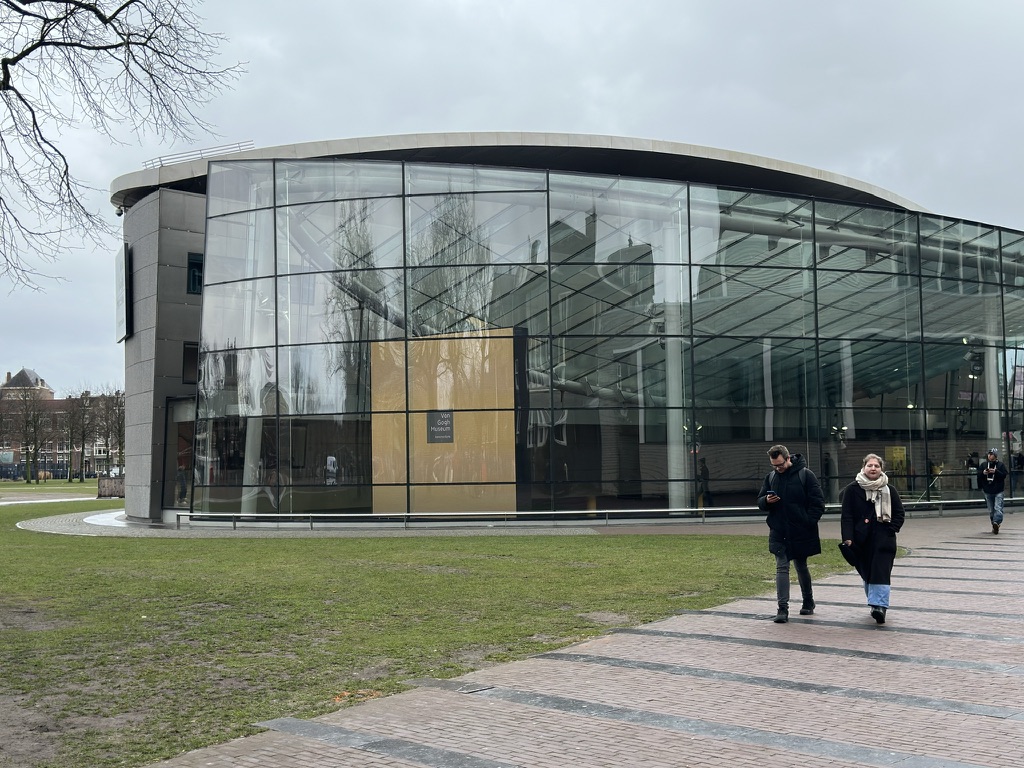
The Van Gogh Museum offers a different but equally rewarding experience. Dedicated to the life and work of Vincent van Gogh, it provides an opportunity to explore the artist's creativity and development.
Visiting both museums gave me a deeper appreciation for Amsterdam as a cultural destination.
And although it can be tempting to fill a day with as many attractions as possible, I would encourage visitors to leave enough time to enjoy each museum rather than rushing through.
Art deserves a little breathing room.
Not every memorable attraction needs to be a museum filled with paintings.
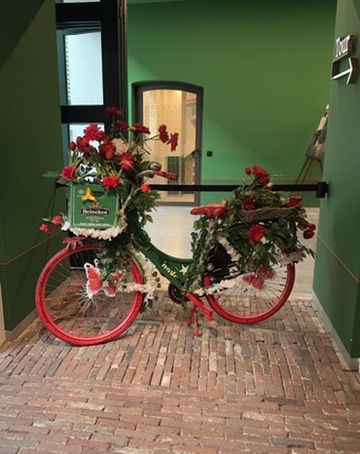
During my visit, I also explored the Heineken Experience, located in the company's historic former brewery.
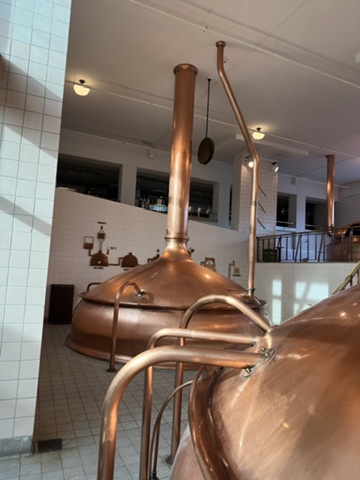
The experience offers a look at the history of one of the Netherlands' best-known brands, including its brewing heritage and the equipment once used in the production process.
I particularly enjoyed seeing the large copper brewing vessels and the historic elements of the building.
It provides an interesting contrast to Amsterdam's art museums and canal-side architecture, demonstrating another aspect of the city's commercial and industrial history.
For travelers interested in local history, recognizable brands, or simply experiencing something different, it's an enjoyable addition to an Amsterdam itinerary.
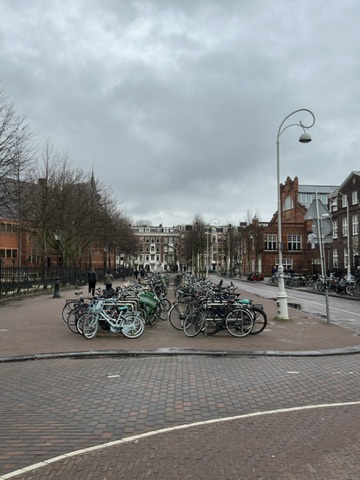
One of the things I appreciated most about Amsterdam was how easy it was to navigate.
I made extensive use of the city's tram system, which allowed me to travel between attractions and explore different areas without needing a rental car.
The trams are convenient, accessible, and integrated into the everyday rhythm of the city. Once you become comfortable with the routes, getting around feels remarkably straightforward.
And then there are the bicycles.
They are everywhere.
Amsterdam's cycling culture is part of what makes the city so distinctive. Bicycles line the streets, fill designated parking areas, and move through the city alongside trams, pedestrians, and other traffic.
For visitors, this means paying attention to dedicated bicycle lanes, especially when crossing streets.
One of my strongest practical recommendations is not to worry about carrying large amounts of cash.
Amsterdam is an exceptionally card-friendly city. I found it easy to navigate and use public transportation without relying on cash.
For many visitors, a contactless credit or debit card or a compatible mobile wallet can handle most everyday transactions.
Amsterdam's public transportation system also supports contactless check-in and check-out through OVpay on participating services.
It's worth remembering to use the same payment card or device when checking in and out, and to confirm current fare and payment arrangements before traveling.
While I still recommend having a small backup payment option, Amsterdam is one of those destinations where managing everyday expenses can feel refreshingly simple.
What I remember most about Amsterdam is not any single attraction.
It's the combination of experiences.
The elegance of the Amstel. The beautiful interiors of the Rijksmuseum. The opportunity to explore Van Gogh's work. The fascinating history inside the former Heineken brewery. The canals, bicycles, trams, and historic buildings that give the city its unmistakable character.
Each experience offered something different, yet together they created a journey that felt wonderfully complete.
Amsterdam rewards travelers who are willing to look beyond a checklist of attractions.
Take the tram somewhere new. Spend an extra hour in a museum. Admire the architecture. Enjoy a canal cruise. Allow yourself time to appreciate the surroundings.
Sometimes, traveling beautifully means doing a little less and experiencing a little more.
Amsterdam is a city I would happily recommend to travelers who appreciate history, culture, beautiful architecture, and the freedom to explore independently.
It offers elegance without feeling inaccessible, remarkable attractions without requiring a rigid itinerary, and an atmosphere that encourages curiosity.
For me, it was a reminder that the most rewarding travel experiences are not always about how much you see.
They're about how much you take away from the journey.
Travel beautifully. Experience more.
— Bon Voyant Travel